Confident Font: Stylish Handwriting for Modern Projects
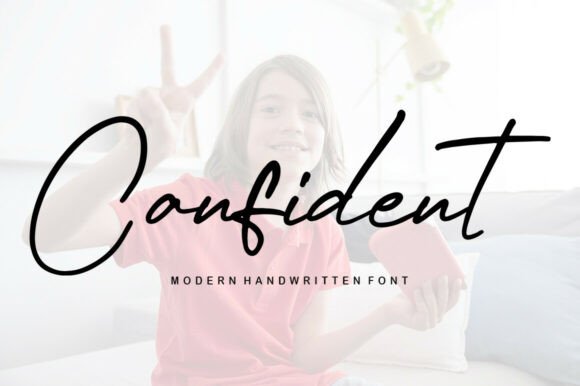
Finding a typeface that balances elegance with modern appeal can be a challenge. You want something that feels personal and crafted, yet remains clean and versatile enough for contemporary design work. This is where the Confident font steps in. It’s a stylish handwritten font designed with a contemporary atmosphere and impeccable form, drawing direct inspiration from the timeless art of classic calligraphy. But unlike purely traditional scripts, Confident offers a fresh, usable quality that fits seamlessly into today’s creative landscape.
Beyond Basic Script: The Anatomy of Confident
At its core, Confident is built on a foundation of balance. The letterforms possess a natural flow, yet each character is carefully shaped to ensure legibility and harmony when combined. This isn’t a chaotic, overly casual scrawl. It’s a purposeful design where the slight variations in stroke weight and the thoughtful connections between letters create a rhythm that feels both organic and controlled. The result is a font that carries the warmth of handwriting without sacrificing the structure needed for professional application.
One of its most practical features is its PUA encoding. For those unfamiliar, this means all the decorative glyphs, swashes, and alternates are easily accessible. You don’t need advanced design software to unlock the full character set. Whether you’re working in a basic text editor or a full design suite, you can simply copy and paste the special characters to add flourishes, create unique ligatures, or style initial letters. This accessibility makes it a powerful tool for creators at any skill level.
Practical Applications for Creators and Professionals
The true value of a font like Confident lies in how it’s applied. Its versatility allows it to adapt to a wide range of projects, each with different goals and audiences. Let’s explore how various professionals can put it to work.
For Branding and Marketing
Small business owners and marketers can use Confident to inject personality into their brand identity. It works beautifully for:
- Logo Design: Creating a primary or secondary logo element that feels approachable and bespoke.
- Social Media Graphics: Designing quotes, announcements, or call-to-action overlays that stand out in a feed.
- Website Headers: Adding a touch of elegance to hero sections or blog post titles without compromising readability on screen.
The key here is context. Pair Confident with a clean, simple sans-serif for body text. This contrast ensures your message remains clear while the headline font captures attention and conveys your brand’s unique voice.
For Print and Editorial Design
Designers and publishers will find Confident ideal for projects that require a personal touch. Consider its use in:
- Wedding Stationery and Event Invitations: Its calligraphic roots make it a natural fit for elegant invitations, place cards, and thank-you notes.
- Book Covers and Chapter Titles: It can set a romantic, reflective, or sophisticated tone for fiction or lifestyle publications.
- Magazine Layouts: Using it for pull quotes or section headers can break up dense text and guide the reader’s eye.
When working in print, pay close attention to leading (line spacing) and kerning (letter spacing). The natural connections in a script font like Confident often benefit from slight manual adjustments to ensure perfect visual flow between specific letter pairs.
For Digital Content and Education
Bloggers, educators, and content creators can leverage this font to enhance their digital materials. It’s excellent for creating engaging presentation slides, designing downloadable worksheets or PDF guides, or adding stylized text to video tutorials. The handwritten quality can make educational content feel more accessible and less intimidating, fostering a stronger connection with the audience.
Mastering the Details: Tips for Effective Use
To get the most out of Confident, a few practical considerations will ensure your designs remain effective and professional.
Contrast is Your Friend: As mentioned, pairing is crucial. Avoid using two decorative fonts together. Let Confident be the star of the show by placing it against a neutral, highly legible font for longer text blocks. This maintains visual hierarchy and ensures your audience can easily consume the information.
Explore the Alternates: Don’t settle for the default characters. Use the PUA-encoded swashes and alternates to customize key words or initials. This small step can make a standard design feel truly unique and tailored to your specific project. Experiment with different flourishes to see what best fits the mood you’re aiming to create.
Context Matters: Always consider your medium and audience. A delicate swash might look stunning on a high-resolution print piece but could become illegible on a small mobile screen or in a fast-paced social media story. Test your designs at the intended size and on the target platform before finalizing.
Keep it Organized: If you’re using multiple font styles (like a regular and a bold weight), establish a clear system for when to use each. For instance, use the regular weight for most headlines and the bold weight sparingly for maximum impact on a single, critical word or phrase.
Finding Your Rhythm with Confident
Ultimately, a font is a tool for communication. The Confident font provides a specific aesthetic channel—one that speaks of elegance, personal touch, and contemporary style. Its balanced design makes it adaptable, while its accessible features empower you to explore its full potential without technical barriers.
Think of it as a starting point. Use it to define the tone of a project, then build your other design elements—color, imagery, layout—to support that tone. Whether you’re crafting a brand identity for a new boutique, designing a heartfelt wedding invitation, or creating a compelling social media campaign, Confident offers a reliable and beautiful way to add a layer of sophistication and human connection to your work. The best results come from understanding its strengths and applying them thoughtfully to serve your specific creative goals.