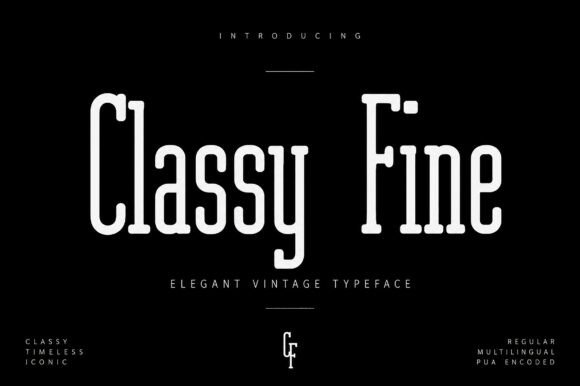
Classy Fine: Is This Serif Font Your Next Design Essential?
In the vast digital landscape of typography, finding a font that genuinely communicates a specific emotion is a common challenge for designers. Classy Fine enters this space as an exquisite condensed serif display font, specifically engineered to exude luxury, elegance, and a sense of history. Drawing inspiration from classic and vintage typographic styles, this font features tall, lean letterforms adorned with intricate serif details. It is not merely a set of characters; it is a tool designed to encapsulate refinement and sophistication through bold structural lines. For anyone involved in visual communication, from high-end branding to personal creative projects, understanding the nuances of a typeface like Classy Fine is the first step toward elevating a design.
The Anatomy of Sophistication
When we look at the technical construction of Classy Fine, we see a deliberate departure from the rigid, geometric sans-serifs that dominate modern web design. The font’s "tall and lean" proportion is a defining characteristic. This vertical emphasis naturally draws the eye downward, creating a sense of stature and grandeur. The "intricate serif details" mentioned in its description are not just decorative flourishes; they serve as anchors that ground the letters, providing a familiar rhythm that readers associate with tradition and authority.
Unlike modernist fonts that prioritize blank space and neutrality, Classy Fine embraces the "vintage" aesthetic. This does not mean it looks outdated; rather, it suggests a timelessness. The bold structural lines ensure that even at smaller sizes, the text retains its integrity, while the condensed nature allows for more information to be packed into a headline without feeling cluttered. It is this balance between density and elegance that makes it a standout choice for display typography.
Why Different Audiences Care About Typography
Typography matters differently to different people, and Classy Fine appeals to a broad spectrum of users because "luxury" is a subjective concept that adapts to context. For a boutique branding agency, luxury might mean exclusivity and high price points. For a couple planning a wedding, luxury might translate to romance and timeless commitment. For a publisher, it might mean literary prestige.
The utility of a font like Classy Fine lies in its ability to adapt to these varying definitions of quality. It acts as a signal to the viewer. When a consumer sees a font with vintage roots and intricate serifs on a product, they subconsciously process cues about the product's quality, durability, and value. Therefore, choosing Classy Fine is not just an aesthetic decision; it is a psychological one that influences how a message is received.
High-End Branding and Fashion Labels
For graphic designers and brand strategists, Classy Fine offers a solution for clients in the luxury sector. Imagine a new skincare line or a bespoke tailoring service. The branding needs to whisper quality rather than shout it. The condensed serif style works exceptionally well for logos where vertical space might be limited, such as on the side of a perfume bottle or the spine of a lookbook. It pairs effectively with minimal sans-serif body text, creating a hierarchy that guides the viewer's eye to the most critical information—the brand name.
Wedding Invitations and Stationery
For hobbyists and freelance stationery designers, the wedding industry relies heavily on typography to set the mood. Classy Fine is particularly suited for this because of its romantic, vintage undertones. A beginner in stationery design might struggle to make a simple invitation look expensive, but using a display font with built-in character can bridge that gap. It provides the "heirloom" feel that many couples desire, making a digital print look and feel like a letterpress creation.
Editorial Layouts and Book Covers
Publishers and magazine editors are constantly seeking fresh ways to present headlines. The tall, lean nature of Classy Fine makes it ideal for magazine mastheads and feature story titles. It commands attention without taking up excessive horizontal width, leaving room for imagery. For book covers, particularly in genres like historical fiction, romance, or high-end cookbooks, the font provides an immediate visual shorthand for the content inside. It tells the reader, "This story is serious, crafted, and worthy of your time."
Evaluating Classy Fine for Your Specific Needs
How do you know if Classy Fine is the right tool for your project? The answer depends on your specific priorities, whether that is ease of use, creativity, or commercial value.
- For the Entrepreneur/Small Business Owner: Your priority is likely presentation and commercial value. You need your packaging to stand out on a shelf or a website. Classy Fine offers a "premium" look that can elevate a product's perceived value. If you are launching a boutique candle line or artisanal chocolates, this font helps establish a price point before the customer even reads the description.
- For the Educator or Blogger: While Classy Fine is a display font, educators creating materials for history or art courses might find it useful for headers to evoke a specific era. However, it is crucial to prioritize readability. If you are writing long-form blog posts, this font should be reserved strictly for titles and headings, as its intricate details can cause eye strain in body text.
- For the Beginner Designer: Your priority is learning value and ease of use. Classy Fine is an excellent study in contrast and hierarchy. By experimenting with this font, beginners can learn how to pair a strong, personality-driven serif with a neutral body font. It teaches the importance of letting a display font breathe—giving it enough white space to show off its intricate serifs.
Creative Flexibility and Design Contexts
One of the strengths of Classy Fine is its fluidity across different design contexts. It is not limited to one industry.
Consider poster design. A poster for a vintage jazz festival or a high-society gala requires a font that commands the room. Classy Fine’s bold structural lines ensure visibility from a distance, while its elegance maintains the sophistication of the event. Conversely, in packaging design, the font can be used to create a cohesive brand language that extends from the box to the label to the thank-you card inside.
For marketers, the font serves as a tool for "emotional targeting." If a campaign targets a demographic that appreciates heritage, tradition, and craftsmanship, using a modern, geometric font might create a dissonance. Classy Fine aligns the visual message with the verbal message, ensuring that the marketing copy and the design style are in perfect harmony.
Matching the Font to Your Project Goals
Before integrating Classy Fine into your workflow, it is helpful to evaluate your project against a few key criteria. This ensures that the font serves your goals rather than just being a decorative element.
- Assess the Tone: Is your project aiming for modern, edgy, and minimal? If so, Classy Fine might be too ornate. However, if the goal is warm, established, luxurious, or romantic, it is an ideal candidate.
- Consider the Medium: Display fonts like Classy Fine thrive in high-resolution environments. It will look stunning on a printed invitation, a high-res website banner, or a 4K screen. Be cautious using it in very small sizes or low-resolution contexts where the intricate details might blur.
- Check for Versatility: Does the font family offer enough weights or styles for your needs? While Classy Fine is described as a condensed serif, check if it offers italicization or different weights to help you create a full visual hierarchy within your design system.
Ultimately, Classy Fine is more than just a typeface; it is a stylistic statement. It bridges the gap between the vintage past and the modern need for high-end branding. Whether you are a professional designer refining a client's identity or a hobbyist creating a personal project, this font offers a reliable pathway to elegance. By understanding its structure and intended applications, you can determine if its graceful allure is the missing piece in your typographic toolkit.