Coral Root: Evaluating a Modern Serif for Elegant Design Projects
In the search for typography that conveys sophistication and contemporary style, designers often encounter a specific need: a font that is both classic in its serif structure and modern in its personality. Coral Root enters this space as a serif typeface designed to project an elegant, luxurious, and distinctly classy aesthetic. This article provides a practical evaluation of Coral Root, exploring its characteristics, ideal applications, and important considerations to help you determine if it aligns with your project goals.
Understanding Coral Root's Design Philosophy
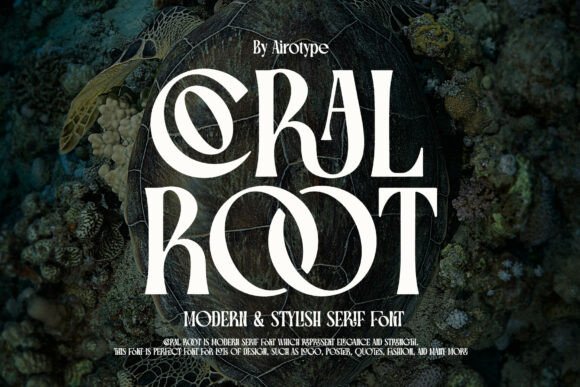
At its core, Coral Root is a modern serif font. This means it builds upon the traditional, readable structure of serif typefaces—the small strokes at the ends of letters—but infuses it with a contemporary sensibility. Its design leans away from the stark, utilitarian serifs of the past, instead embracing curves and proportions that feel fresh and stylish. The overall effect is one of radiant elegance, making it a candidate for work where first impressions of quality and refinement are paramount.
A notable feature of Coral Root is its inclusion of uppercase ligatures. These are special character combinations, where two or more letters are joined into a single, more fluid glyph. For example, the letters "T" and "y" might connect in a unique way. It is crucial to understand that these ligatures are not always active by default. To achieve the intended stylish shape, you must activate ligature features in your design software, such as Adobe Illustrator, Photoshop, or InDesign. This is typically done in the OpenType or Typography panel. Failure to do so means you will see standard letterforms, not the designed ligatures that contribute to the font's unique character.
Assessing the Benefits and Tradeoffs
Evaluating any font involves weighing its strengths against its potential limitations in context.
Primary Benefits
- Modern Classy Aesthetic: Coral Root excels at delivering a specific visual tone: elegant, fancy, and luxurious. This makes it a strong contender for branding and logo projects where the brand identity needs to communicate exclusivity or high-end appeal.
- Stylistic Uniqueness: The optional uppercase ligatures offer a layer of customization. When used thoughtfully, they can add a memorable and distinctive flair to headlines, monograms, or decorative text in wedding invitations and posters.
- Versatility in Elegant Contexts: Its design allows it to be applied across various media that benefit from a classy vibe. This includes photography watermarks, quote graphics, sublimation designs, and crafting projects like stickers or labels.
Key Tradeoffs and Considerations
- Specificity of Style: The very strength of Coral Root is also its primary limitation. Its luxurious and fancy character is not a universal fit. It would likely feel out of place in projects aiming for a minimalist, rugged, or purely utilitarian aesthetic. Consider whether the "classy vibe" aligns with your project's core message.
- Readability at Small Sizes: Like many display-oriented serif fonts, Coral Root's intricate details and elegant curves may reduce legibility at very small point sizes, such as in long-form body text or fine print. It is best suited for headlines, titles, and short bursts of impactful text.
- Dependence on Software Features: The need to manually activate ligatures is a practical consideration. If your workflow involves software where OpenType features are limited or difficult to access, you may not be able to utilize the font's full design potential, which could impact your final result.
When is Coral Root a Strong Fit?
Coral Root is worth serious consideration for projects where the primary objective is to evoke a sense of modern elegance and refined luxury.
- Event Stationery: For wedding invitations, save-the-dates, or upscale event programs, its sophisticated letterforms set a formal and beautiful tone.
- Branding for Premium Products: Logos, business cards, or packaging for boutique brands, cosmetics, jewelry, or high-end services can benefit from its classy aesthetic.
- Decorative and Artistic Applications: In crafting, sublimation projects, and sticker design, Coral Root can serve as the central decorative element. Similarly, it is well-suited for creating impactful quote posters or photography overlays where text is a key design component.
When Might Alternatives Be Worth Considering?
It is equally important to recognize scenarios where other fonts may better serve your needs.
- Projects Requiring Neutral or Functional Typography: For body copy in reports, user interfaces, or technical documentation, a more neutral and highly readable sans-serif or a classic book serif would be a more practical choice.
- Branding with a Different Personality: If your brand identity is meant to feel approachable, playful, tech-focused, or strong and industrial, Coral Root's elegant style could send a mixed message. A geometric sans-serif or a bold slab serif might be more appropriate.
- Extensive Text Settings: Avoid using Coral Root for long paragraphs. The detailed letterforms can cause visual fatigue. Pair it with a simpler, more readable font for body text if your project requires both headlines and paragraphs.
Practical Decision-Making Insights
To determine if Coral Root aligns with your goals, follow this evaluation process:
- Define Your Project's Tone: List three to five adjectives that describe the desired feeling (e.g., elegant, romantic, luxurious, modern, classic). If "elegant" or "luxurious" are among them, proceed.
- Examine the Full Character Set: Before committing, view the complete glyph map. Pay special attention to the uppercase ligatures and any alternate characters. Does the specific design of letters like "Q," "R," or the ligatures resonate with your vision?
- Test in Your Actual Workflow: Create a mock-up of your project using Coral Root. Test it in your specific design software to ensure you can activate all OpenType features. Evaluate its appearance in both color and monochrome, and at the sizes you intend to use.
- Consider the Pairing: Think about what other fonts or design elements will accompany it. Coral Root often works well as a headline font paired with a simple sans-serif for secondary information, creating a balanced and professional hierarchy.
In conclusion, Coral Root is a specialized tool for designers and creators seeking a modern serif font with a pronounced classy and luxurious character. Its value is highest in projects where this specific aesthetic is desired, such as in wedding invitations, branding, and decorative crafting. By carefully considering its stylistic focus, technical requirements, and your project's core objectives, you can make an informed decision about whether this elegant typeface is the right choice to bring your vision to life.