Dumie Font: A Practical Guide for Crafters and Designers
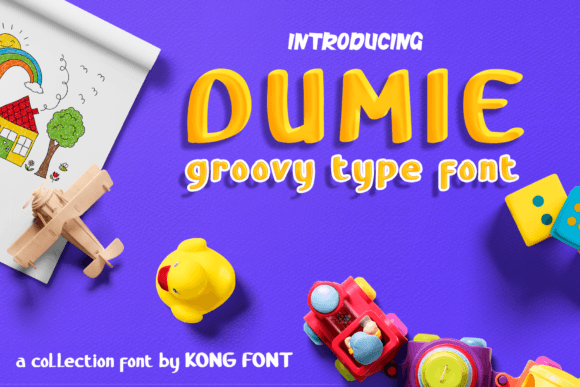
In the vast landscape of digital typography, finding the right font for a specific project often comes down to balancing aesthetic appeal with technical functionality. The Dumie font, a modern and playful handwritten script designed by Kong Font Studio, presents itself as a candidate for creators seeking a casual yet stylish typographic voice. Available through platforms like Creative Fabrica, this typeface is designed to bridge the gap between professional graphic design software and consumer-grade crafting tools. This article provides an objective evaluation of Dumie, helping you determine if it aligns with your creative workflow and project requirements.
Understanding the Aesthetic and Structure
Dumie falls into the category of modern calligraphy and handwritten scripts. Unlike formal calligraphy, which adheres to strict traditional strokes, modern scripts like Dumie often mimic the natural flow of a marker or fountain pen, featuring irregular baselines and variable stroke widths. This specific typeface emphasizes a relaxed and approachable vibe. The characters are designed to connect fluidly, creating a cohesive look that feels organic rather than manufactured.
For designers evaluating typography, the "playfulness" of Dumie is its primary characteristic. This style is generally characterized by open letterforms, bouncy descenders, and a lack of rigid geometric constraints. This makes it suitable for projects where the goal is to evoke warmth, friendliness, or spontaneity. However, this stylistic choice also dictates its readability limits. While excellent for headlines, logos, or short phrases, the intricate connections typical of such script fonts can reduce legibility when used for long-form body text or at very small sizes.
Technical Compatibility and Workflow Integration
A critical factor in selecting a font is its compatibility with your existing tools. Dumie is noted for its broad compatibility, specifically highlighting integration with Adobe Photoshop and Silhouette Design Studio.
For digital designers using Adobe Creative Cloud, Dumie functions as a standard vector font, allowing for full scalability and color manipulation. It can be installed in the operating system and accessed directly through the text tool in Photoshop or Illustrator.
For the crafting community, specifically those using vinyl cutters and heat presses, compatibility with Silhouette Design Studio and Cricut Design Space is essential. Dumie is structured to perform well in these environments, provided the user understands how to manage script fonts within cutting software. When using Dumie for physical crafting, users should anticipate the need to "weld" or "attach" the letters. Because the font is designed to connect, proper kerning and welding are required to ensure the cutting machine follows a continuous path rather than cutting individual letters that overlap, which would ruin the vinyl or cardstock.
Evaluating the Benefits
When considering Dumie for your toolkit, there are several practical benefits to weigh:
- Visual Impact: The handwritten style adds a human element to digital designs. It is effective for social media graphics, wedding invitations, and branding materials that require a personal touch.
- Trend Alignment: Modern handwritten scripts remain popular in current design trends, particularly in the "maker" community. Dumie fits well within the aesthetic of farmhouse decor, boho branding, and personalized gifts.
- Versatility in Application: Because it is vector-based, it can be used across various media, from web design to physical merchandise like mugs, tote bags, and t-shirts.
Tradeoffs and Considerations
No typeface is without its limitations, and a balanced evaluation of Dumie requires acknowledging potential drawbacks.
The primary tradeoff with highly stylistic fonts is legibility versus style. Dumie prioritizes flow and playfulness. Consequently, readers with visual impairments or those viewing text on low-resolution screens may struggle to decipher the script, particularly with complex letter combinations. It is generally inadvisable to use Dumie for critical information, such as event dates or contact details, unless the font size is significantly large.
Another consideration is the learning curve for crafting software. While the font is compatible with Silhouette and Cricut software, beginners may find that script fonts require more manual adjustment than blocky sans-serif fonts. Users may need to manually adjust letter spacing (kerning) to ensure the connections between letters look natural and do not overlap excessively, which can complicate the cutting process.
Ideal Use Cases
Dumie appears to be a strong fit for specific scenarios. If your project involves the following, this font may be worth considering:
- Personalized Crafting: Creating custom decals, greeting cards, or scrapbook elements where a hand-drawn look is desired.
- Logo Design: Developing branding for boutique businesses, bakeries, or lifestyle blogs that want to convey an artisanal quality.
- Event Stationery: Designing save-the-dates, menus, or place cards for weddings and parties.
When to Consider Alternatives
While Dumie has its strengths, there are situations where alternative typefaces might better serve your goals:
- High-Volume Text: If you are designing a brochure, flyer, or website that requires significant amounts of reading, a clean sans-serif (like Montserrat or Open Sans) or a readable serif font will provide a better user experience.
- Modern/Corporate Aesthetics: If the brand identity relies on minimalism, precision, or corporate professionalism, the playful nature of Dumie may clash with the desired tone.
- Complex Backgrounds: If the text must be placed over a busy or textured image, the thin strokes and loops of a handwritten script can get lost. In such cases, a bolder display font is often more effective.
Decision-Making Insights
To determine if Dumie aligns with your needs, consider the context of use. Ask yourself who the audience is and what medium they will use to view the design. If the audience is young, creative, or looking for a casual experience, the font’s playful nature is an asset. If the audience expects efficiency, clarity, and speed, the font may be a hindrance.
Additionally, consider the technical environment. If you are a crafter, ensure your software version is up to date to handle OpenType features if available, or be prepared to spend time manually spacing the letters in your design software before cutting.
In conclusion, Dumie by Kong Font Studio serves as a specialized tool rather than a universal solution. It excels in adding personality and warmth to creative projects and integrates well with popular design and crafting platforms. By weighing its aesthetic charm against legibility requirements and technical workflows, you can make an informed decision on whether this script font deserves a place in your design library.