The Smooth Font: A Practical Guide to Its Style, Strengths, and Best Uses
When searching for a typeface that conveys warmth, personality, and a handcrafted feel, many designers and creators eventually encounter The Smooth. This lovely and timeless handwritten font has carved out a niche for itself, particularly in projects that require a human touch. However, understanding where it truly excels—and where its characteristics might present a challenge—is key to making an informed design choice. This guide offers a balanced look at The Smooth, exploring its distinct qualities, comparing it to broader font categories, and helping you decide if it's the right tool for your next project.
Understanding The Smooth's Distinct Character
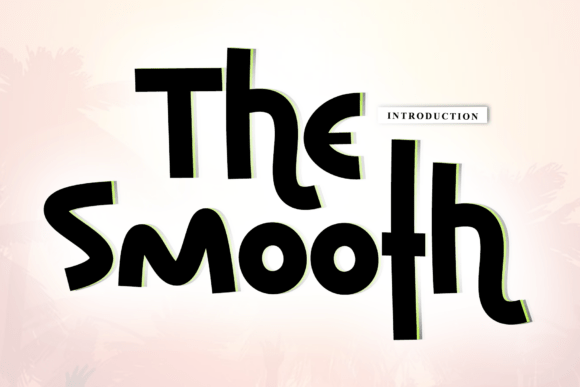
The Smooth is not just another script font. Its primary distinction lies in its carefully crafted letterforms that mimic the fluidity of natural handwriting without sacrificing legibility. Each letter carries a unique and beautiful touch, featuring subtle variations in stroke width and gentle, organic curves. This prevents it from looking overly mechanical or generic. The overall effect is a typeface that feels personal and approachable, making it ideal for designs that aim to connect on an emotional level. Unlike more rigid or overly decorative scripts, The Smooth strikes a balance between expressiveness and readability, which is a significant part of its appeal.
Evaluating Where The Smooth Truly Shines
Based on its inherent design, The Smooth is particularly effective in specific applications. Its strengths become most apparent in contexts where personality and clarity need to coexist.
- Logo and Brand Identity: For brands that want to project a friendly, artisanal, or boutique image, The Smooth can be an excellent foundation. It works well for logos for bakeries, cafes, lifestyle blogs, wedding planners, or handmade goods stores. The font's warmth helps build an instant, approachable brand personality.
- Marketing and Social Media Graphics: When creating quotes, promotional banners, or Instagram stories, The Smooth can draw the eye and make text feel more intimate. Its legibility at moderate sizes ensures the message isn't lost in the style.
- Invitations and Personal Projects: For wedding invitations, greeting cards, or personal stationery, The Smooth provides a touch of elegance and custom craftsmanship. It feels more special and intentional than standard system fonts.
In these scenarios, The Smooth's value is clear. It helps a design come alive by adding a layer of human artistry that is difficult to achieve with more traditional sans-serif or serif fonts.
Comparing The Smooth to Alternative Font Categories
To make a truly informed decision, it's helpful to understand how The Smooth compares to other font styles you might be considering. Each category has its own set of tradeoffs.
Versus Clean Sans-Serif Fonts
Fonts like Helvetica or Open Sans prioritize neutrality, clarity, and modernity. They are the workhorses of user interfaces, body text, and corporate branding where unbiased communication is key. The Smooth, in contrast, injects personality. The tradeoff is that it may not be suitable for long paragraphs of text or contexts requiring a sterile, professional tone. If your project demands maximum readability and a neutral voice, a sans-serif is likely the better fit.
Versus Formal Script Fonts
Formal scripts like Edwardian Script or Bickham Script convey luxury, tradition, and high ceremony. They are often used for high-end branding, certificates, and formal invitations. However, they can be less legible, especially at small sizes or on busy backgrounds. The Smooth offers a more casual, accessible take on the handwritten style. It sacrifices some of that formal grandeur for improved versatility and a more contemporary, relaxed feel.
Versus Other Handwritten or Doodle Fonts
The market for handwritten fonts is vast. Some are heavily textured, mimicking pencil or brush strokes, while others are overly quirky or childlike. The Smooth distinguishes itself with its polished and timeless quality. It avoids looking too trendy or gimmicky, which can extend its useful lifespan in a brand's toolkit. When evaluating alternatives in this category, look closely at consistency, spacing, and how well the font pairs with others.
Practical Limitations and Decision Factors
No font is perfect for every situation, and The Smooth is no exception. Acknowledging its limitations is just as important as recognizing its strengths.
- Legibility at Small Sizes: Like most script fonts, its legibility can decrease significantly when used for very small text, such as footnotes or dense captions. For those applications, a simple sans-serif is almost always superior.
- Text-Heavy Projects: Using The Smooth for body copy in a report, article, or book would be impractical and fatiguing for readers. It is designed for headlines, short phrases, and display use.
- Formal or Corporate Contexts: In industries like finance, law, or corporate technology, the handwritten style may undermine the perception of seriousness and authority. It's crucial to match the font's tone to the industry's expectations.
- Pairing with Other Fonts: A key decision factor is how The Smooth will work alongside other typefaces in your design. It typically pairs best with a simple, neutral sans-serif for supporting text, creating a harmonious contrast between personality and clarity.
Making the Final Choice: Is The Smooth Right for You?
The decision to use The Smooth ultimately comes down to the specific goals of your project and the audience you aim to reach. It is a powerful tool for adding a unique and beautiful touch to designs where warmth and personality are paramount.
Choose The Smooth when:
- Your brand or project identity is friendly, artisanal, personal, or creative.
- You need a headline or logo that stands out with a handcrafted feel.
- Legibility for short, impactful text is more important than for long-form reading.
- You want a timeless handwritten look that avoids being overly trendy.
Consider another option when:
- You are designing for a highly formal, corporate, or technical audience.
- The primary use case is for long paragraphs of body text.
- You require a font with extreme versatility across all media and sizes, including very small UI text.
- The design context demands a neutral, unbiased typographic voice.
In conclusion, The Smooth is a lovely and timeless asset within the designer's toolkit. Its value is not in being a universal solution, but in being an excellent one for a specific set of creative challenges. By carefully evaluating your project's needs—considering factors like audience, context, and required legibility—you can determine whether its distinctive charm is the right ingredient to make your design come alive. For projects that call for a human, approachable, and elegant handwritten style, it remains a compelling and worthy choice.