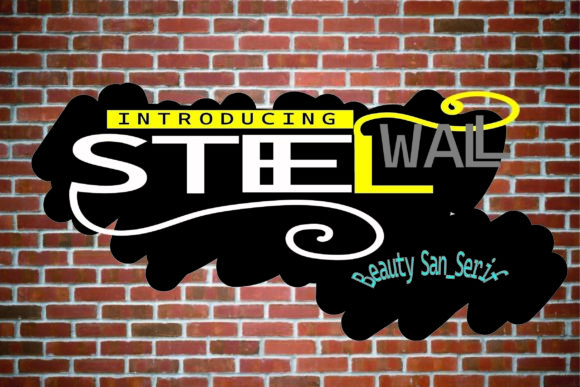
Steel Wall: Mastering Bold Typography for Strategic Brand Impact
In the crowded digital landscape, the visual weight of your message is just as critical as the semantic meaning. Typography is not merely about legibility; it is a primary tool for psychological impact and brand positioning. Among the vast library of display fonts, Steel Wall stands out as a formidable asset. It is not just a collection of characters; it is a bold, thick-lettered display font designed to command immediate attention. For the entrepreneur, marketer, or creative professional, understanding how to leverage this specific typographic density can be the difference between a design that blends in and one that dominates the market.
Steel Wall is characterized by its heavy strokes and robust structure. It lacks the delicacy of a serif body font, replacing it with the unyielding presence of industrial architecture. This font is PUA (Private Use Areas) encoded, a technical feature that offers significant practical value. This encoding ensures that you can access all glyphs, swashes, and stylistic alternates with ease, regardless of the design software you are using. For the professional managing complex branding assets or the freelancer working across different platforms, this accessibility removes technical friction, allowing you to focus on the creative strategy rather than troubleshooting character maps.
Strategic Positioning and Brand Authority
When making decisions about your brand’s visual identity, you are essentially making decisions about how you wish to be perceived. Steel Wall is not a passive font; it is an aggressive one. It signals strength, stability, and industrial reliability. If your strategic goal is to position your brand as a leader in sectors like construction, fitness, automotive, or heavy equipment, this font aligns perfectly with those values. However, its utility extends beyond physical industries.
Consider the creator or influencer looking to disrupt a saturated niche. Using a font like Steel Wall for headers and logos can convey a level of confidence and authority that softer, more traditional fonts cannot achieve. It suggests that your content is foundational and essential—something that cannot be ignored. By integrating Steel Wall into your branding, you are making a deliberate choice to project resilience. This is particularly effective for small business owners trying to compete with larger, established corporations; the bold typography levels the visual playing field, creating an immediate impression of solidity.
Practical Application and Workflow Optimization
One of the most common bottlenecks in creative production is the disconnect between design assets and software capabilities. A major strategic advantage of Steel Wall is its PUA encoding. In practical terms, this means the font is optimized for workflow efficiency. Whether you are using Adobe Illustrator, Canva, or basic word processing software, the additional glyphs and swashes are accessible without requiring specialized OpenType features that some programs struggle to render.
For the freelancer or educator creating course materials, this ease of access translates directly into time saved. You can quickly add stylistic flair to a title or a call-to-action button without digging through complex settings. Furthermore, the thick lettering of Steel Wall ensures high legibility even at smaller sizes or on lower-resolution screens, provided the contrast is managed correctly. This makes it a pragmatic choice for mobile-first design strategies, where clarity is paramount but visual weight is needed to catch the scrolling eye.
Decision-Making in Typography Selection
Choosing to use a display font like Steel Wall should be a calculated decision based on your project's goals. Ask yourself: What is the primary objective of this communication? If the goal is to convey intricate details, nuance, or a gentle, approachable tone, Steel Wall is likely the wrong choice. Its strength lies in impact, not subtlety. Therefore, it should be reserved for elements that require high visibility:
- Hero Sections: Large headlines on landing pages that need to grab attention in the first three seconds.
- Logo Design: Creating a wordmark that feels established and immovable.
- Merchandise: T-shirts, mugs, and stickers where the design needs to be legible from a distance.
- Event Banners: Signage for trade shows or conferences where you need to stand out in a crowded hall.
Conversely, using Steel Wall for body text would be a strategic error. The density of the strokes would create a "wall of text" that is visually exhausting to read, leading to higher bounce rates and lower engagement. The wisdom lies in using it as an accent—a powerful exclamation point in your visual sentence.
Avoiding Common Pitfalls and Overuse
While the allure of a bold font is strong, relying on Steel Wall without a clear context can dilute your message. There is a risk of the design feeling "shouted" rather than "spoken." If every element on your page is bold and heavy, nothing stands out. The strategic use of negative space is essential when working with such a thick typeface. You must allow the letters room to breathe; otherwise, the text becomes a visual blockage rather than a readable message.
Moreover, consider the emotional tone of your specific campaign. If you are a wellness coach or a luxury spa, the industrial, rugged aesthetic of Steel Wall might clash with your brand promise of softness and relaxation. In such cases, using this font could confuse your audience and erode trust. It is vital to ensure that the typographic personality matches the service or product being offered. The decision to use Steel Wall should be rooted in the psychological profile of your target audience. Does your customer value strength and durability? If yes, proceed. If they value whimsy or elegance, look elsewhere.
Leveraging Glyphs for Creative Differentiation
The true power of Steel Wall often lies in the details provided by its extended character set. Because it is PUA encoded, you have access to swashes and alternative glyphs that can transform a standard word into a unique piece of art. This is particularly useful for bloggers and publishers who need distinctive drop caps or section headers that break the monotony of the reading experience.
For marketers, these stylistic alternates can be used to emphasize key value propositions. Imagine a landing page where the word "FREE" or "LIMITED" is rendered using a swash variation of Steel Wall. The visual distinctiveness reinforces the urgency of the message. This is not just decoration; it is a functional use of design to guide the user's eye toward the conversion point. By experimenting with these glyphs, you can create a visual language that is proprietary to your brand, making your content instantly recognizable even without your logo present.
Long-Term Value and Consistency
Building a brand is a long-term endeavor, and consistency is the currency of trust. When you integrate Steel Wall into your brand guidelines, you are making a commitment to a specific aesthetic direction. It is advisable to document exactly how and where this font should be used. Define the acceptable sizes, the color pairings (high contrast is usually best), and the specific contexts where the swashes are appropriate.
For educators and course creators, using Steel Wall consistently across all modules and slides creates a cohesive learning environment. It signals professionalism and attention to detail. For the entrepreneur, it reinforces brand recall. Over time, your audience will begin to associate that bold, thick lettering with your specific voice and authority. This typographic consistency becomes a silent ambassador for your brand, working in the background to solidify your market position.
Conclusion: The Intentional Choice
Ultimately, Steel Wall is a tool for those who wish to be heard. It is a strategic asset for anyone looking to inject strength, stability, and confidence into their visual communications. However, like any powerful tool, it requires skill and intention. It should not be chosen simply because it looks "cool," but because it serves a specific strategic purpose in your broader communication plan.
Whether you are designing a logo, crafting a marketing campaign, or developing educational materials, let the decision to use Steel Wall be driven by your goals. Use its thick strokes to anchor your message, its PUA encoding to streamline your workflow, and its bold presence to distinguish your brand from the noise. When applied thoughtfully, this font does not just display text; it builds a barrier against obscurity, ensuring your message stands firm.