Sugar Polka Dot: A Font That Brings Joy to Design
More Than Just a Typeface
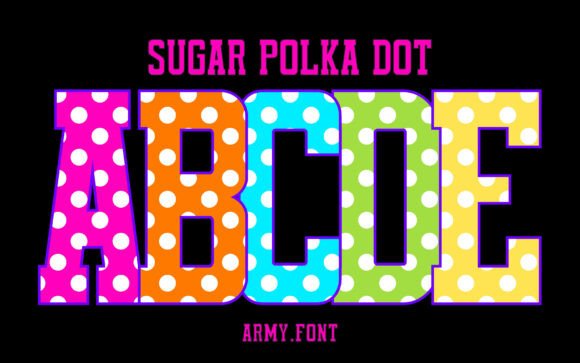
Imagine a font that doesn't just sit on a page but practically bounces off it. That's the feeling you get when you first encounter Sugar Polka Dot. It's a display typeface built around a simple, joyful idea: letters formed from a pattern of perfect, rounded dots. But calling it just a "dotted font" misses the point entirely. It’s a design tool with a specific, vibrant personality—one that can inject a surprising amount of energy and clarity into a project. For anyone looking to communicate playfulness, creativity, or a modern retro vibe, this font becomes an immediate and compelling option.
Understanding the Appeal: Who Needs This Kind of Energy?
The value of a font like Sugar Polka Dot is entirely dependent on the context. Its charismatic pattern is designed to engage the eye, making it a poor choice for long paragraphs of body text but a powerful one for grabbing attention. The key is knowing when that attention-grabbing quality is an asset. For a teacher, it could transform a dry worksheet into something students are excited to look at. For a small business owner selling handmade goods, it can instantly convey the fun, crafted nature of their products on packaging or social media. The font's bubbly design stimulates a sense of liveliness, which is a tangible benefit when your goal is to create an inviting and energetic atmosphere.
For Beginners and Hobbyists
If you're just starting out with design—maybe creating a birthday card, scrapbooking, or designing a personal blog header—Sugar Polka Dot is incredibly approachable. Its inherent style does a lot of the heavy lifting. You don't need to be a typography expert to make it look good. The font is playful yet sophisticated, which means your texts become not just readable, but visually pleasing. A hobbyist can use it for party invitations with confidence, knowing the font itself sets a celebratory tone without requiring complex design skills.
For Marketers, Bloggers, and Entrepreneurs
This is where strategic thinking comes into play. A marketer launching a summer campaign for a youth-oriented brand might use Sugar Polka Dot for social media graphics or email subject lines to convey excitement. A blogger focused on DIY crafts, kids' activities, or lifestyle content could use it for section headings to reinforce their site's friendly and approachable brand identity. The priority here is presentation and brand alignment. The font's commercial value lies in its ability to communicate a specific feeling—fun, creativity, lightheartedness—instantly. However, a financial consultant or a law firm would likely find it too informal for their needs, highlighting how crucial audience alignment is.
For Educators and Publishers
In educational settings, engagement is everything. A teacher creating a reading list for elementary students might find that titles set in Sugar Polka Dot are more inviting. The clear, rounded shapes of the letters also support readability for young learners. For a publisher of children's books, it could be a fantastic choice for cover titles or chapter headings, where the goal is to spark imagination. The learning value here is indirect but real: a font that makes materials more appealing can lower resistance to learning and encourage interaction.
Key Considerations Before You Commit
While the design is alluring, practicality must be considered. The most important note is about compatibility. The color version of the Sugar Polka Dot font, which often features multi-toned dots for extra pop, has specific technical requirements. It is primarily compatible with advanced design programs like Adobe Photoshop and Adobe Illustrator. The OTF files for the color version are not compatible with many other common programs, including basic word processors or some web-based design tools.
This makes ease of use a conditional factor. For a freelance designer working in Adobe's ecosystem, integrating the color font is straightforward. For a teacher trying to use it in a PowerPoint presentation or a hobbyist using a free online editor, they would likely need to use the standard, single-color version of the font, which is more widely compatible. Always check the font file details and your software's capabilities before purchasing or downloading.
Matching the Font to Your Project's Goals
So, is Sugar Polka Dot right for you? Ask yourself these questions:
- What is the core emotion of my project? If it's joy, fun, creativity, or nostalgia, it's a strong candidate. If it's authority, seriousness, or minimalist elegance, look elsewhere.
- Where will it be used? It excels in headlines, logos, posters, and packaging. It struggles in body text, technical manuals, or formal reports.
- What software do I use? If you rely on Adobe Photoshop or Illustrator, the full color experience is available. If you use other software, confirm you can work with the standard OTF or TTF files.
- Who is my audience? The font resonates powerfully with younger demographics, families, and creative communities. It may not connect as well with audiences expecting traditional or corporate communication.
Ultimately, Sugar Polka Dot is a specialized tool. Its long-term usefulness depends on how often your work calls for its unique blend of fun and function. For a children's clothing brand, it might become a core part of their visual identity. For a corporate newsletter, it might be used once a year for a holiday special. By evaluating your specific needs for creativity, presentation, and audience connection, you can decide if this bubbly, energetic font deserves a permanent spot in your design toolkit. Its strength isn't in being universal, but in being unforgettable when used appropriately.