Anchorman 3D: A Practical Guide to This Maritime-Inspired Typeface
In the vast sea of available typefaces, choosing the right one is a critical decision for any designer or brand strategist. It requires balancing aesthetic appeal with functional clarity and thematic alignment. Among the many options, Anchorman 3D presents itself as a distinctive choice, offering a unique blend of bold geometry and playful, three-dimensional effects. This article provides a comprehensive evaluation of the font, helping you determine if its character is the right fit for your project's needs.
Understanding the Anatomy of Anchorman 3D
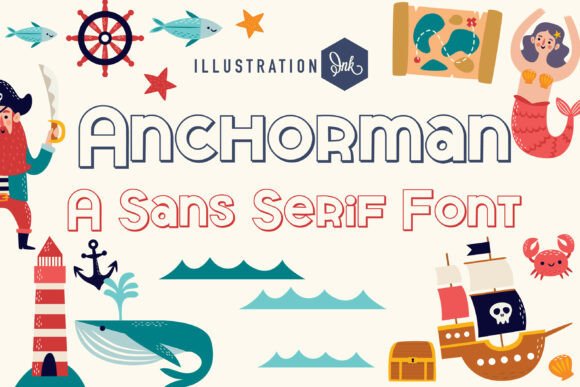
At its core, Anchorman 3D is a sans serif typeface defined by its sturdy, geometric letterforms. However, its name and primary feature come from a rhythmic, offset shadow that gives each letter a pronounced pop-out effect. This creates an immediate sense of depth and dimension, evoking the bold, raised lettering often seen on ship hulls, maritime signage, and classic coastal memorabilia.
A key characteristic that influences its application is its unconventional baseline. The typeface mixes uppercase and lowercase-style heights within a single line, creating a "bouncy," energetic rhythm. This design choice contributes significantly to its dynamic and playful personality, setting it apart from more traditional, uniform geometric sans serifs. The overall effect is one of professional craftsmanship infused with a sense of adventure and nostalgia.
Evaluating Its Potential Applications
The suitability of Anchorman 3D is highly context-dependent. Its strong thematic personality makes it an extraordinary choice for specific creative scenarios where its unique qualities can shine without compromising clarity.
- Nautical and Thematic Branding: For projects centered around the sea, adventure, or vintage exploration, this font is a natural fit. Think logos for sailing schools, branding for coastal restaurants, or promotional materials for a maritime museum. Its built-in 3D effect can reduce the need for complex graphic design to achieve a similar look.
- Children's Educational Materials: The bouncy, friendly energy of the mixed-height letters can be highly engaging for young audiences. It is well-suited for book titles, interactive displays in a children's museum, or educational posters where a sense of fun and discovery is paramount.
- Event and Apparel Design: The bold, standout presence of Anchorman 3D makes it effective for headlines on posters, t-shirts, and merchandise for themed events, such as pirate festivals, beach parties, or adventure-themed celebrations. The 3D effect ensures legibility and impact from a distance.
In these situations, the font does more than just convey words; it actively contributes to the narrative and emotional tone of the design, aligning the visual identity with a specific story of high-seas excitement.
Benefits and Potential Tradeoffs to Consider
Like any specialized design tool, using Anchorman 3D comes with distinct advantages and considerations that must be weighed.
The Primary Benefits
The most significant benefit is its ability to inject immediate personality and thematic depth into a project. Its three-dimensional quality provides a signature look that can make designs stand out. Furthermore, its geometric foundation ensures that, despite its stylistic flair, the letterforms maintain a level of structural integrity and readability at larger display sizes.
Key Considerations and Tradeoffs
The very features that make it distinctive also present its main limitations. The 3D shadow and bouncy baseline can significantly reduce legibility in long blocks of body text. Therefore, it is best reserved for headlines, logos, and short, impactful phrases. Designers must also consider that its strong maritime theme may feel out of place in contexts that require a neutral, corporate, or minimalist aesthetic. Overusing it in a single project could potentially lead to a one-dimensional or gimmicky feel.
Is Anchorman 3D the Right Choice for You?
Making a final decision involves aligning the font's characteristics with your project's core goals. Ask yourself the following practical questions:
- What is the primary tone of my project? If the goal is to communicate adventure, playfulness, nostalgia, or a specific coastal theme, Anchorman 3D aligns perfectly. If the tone needs to be serious, formal, or ultra-modern, it is likely a poor match.
- How will the font be used? For display purposes—titles, logos, banners—it excels. For body copy, informational text, or user interfaces where clarity is critical, you should look elsewhere.
- Who is the target audience? It resonates strongly with audiences who appreciate whimsy, adventure, and vintage aesthetics. For audiences expecting corporate sobriety or technical precision, it may undermine credibility.
Situations Where Alternatives Are Worth Considering
If your project requires a versatile geometric sans serif for both headlines and body text, a more neutral family like Futura or Montserrat would be a better foundation. If you need a bold, impactful font for headlines but without a specific thematic association, a standard heavy-weight sans serif or a strong slab serif might offer more flexibility. For designs where the 3D effect is desired but the maritime theme is not, you could explore other fonts with inline or shadow effects that carry a different stylistic connotation.
Ultimately, Anchorman 3D is a specialized instrument. It is not a universal workhorse but a powerful tool for adding a specific layer of narrative and visual excitement. Its value lies in its ability to tell a story at a glance. By carefully evaluating your project's tone, audience, and application needs, you can confidently determine whether this bold, buoyant typeface is the right crew member for your design voyage. When used thoughtfully, it ensures your headlines don't just speak—they embark on an adventure.