Integrating the Line Art Wedding Monogram into Your Design Workflow
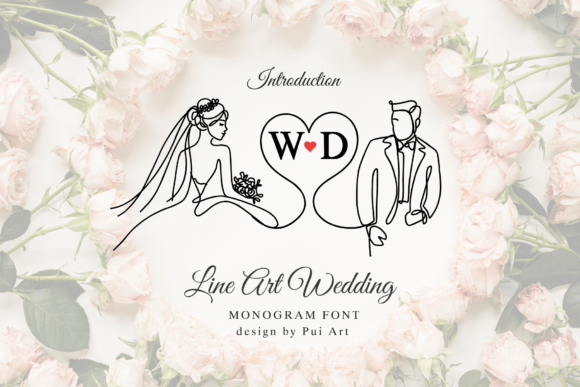
The Line Art Wedding Monogram is more than just a set of letters; it is a specialized typographic system designed for modern wedding branding. In the context of a designer's workflow, this asset serves as the foundational element for creating a cohesive visual identity. It consists of fine, continuous strokes that mimic the aesthetic of high-end illustration and modern art. By understanding how to implement this specific style, creators can bridge the gap between traditional elegance and contemporary minimalism.
Defining the Asset and Its Role
At its core, the Line Art Wedding typeface is characterized by its ethereal quality and delicate weight. It is not a standard text font but a display typeface intended for logo marks and monogram creation. In a broader project plan, this asset typically sits at the beginning of the creative phase. Once the couple’s initials and wedding theme are established, the font becomes the primary tool for generating the visual anchor of the event.
The primary function of the Line Art Wedding Monogram is to create intertwined initials that resemble custom jewelry or fine-line tattoos. This style requires a specific approach to layout. Because the lines are continuous and thin, negative space plays a critical role. The designer must treat the letters as vector shapes rather than simple text, allowing for manual adjustments to kerning and overlapping to achieve a seamless flow.
Strategic Implementation in Wedding Stationery
The practical application of this typeface extends across the entire lifecycle of wedding planning. It is designed to create a consistent thread from the initial "Save the Date" to the final "Thank You" card. For the designer, this means establishing a master monogram file early in the process that can be repurposed across various deliverables.
Early Phase: Save the Dates and Invitations
During the initial planning stages, the monogram sets the tone. When using the Line Art Wedding font for the main invitation suite, the focus should be on clarity and impact. The font works best when it is the focal point, surrounded by ample white space. In a workflow context, this involves creating a vector version of the monogram that can be scaled without loss of quality. This master file ensures that the monogram looks identical on a small RSVP card and a large welcome sign.
Mid-Phase: Day-of Branding
As the project moves into production for day-of items—such as programs, menus, and place cards—the Line Art Wedding Monogram serves as a unifying stamp. Here, the font interacts with other design elements like body copy and photography. The designer must ensure that the line weight of the monogram complements, rather than competes with, the supporting typography. A common workflow solution is to use the monogram as a watermark or a foil-stamped seal, maintaining the luxury feel without overwhelming the information hierarchy.
Post-Event: Thank You Cards and Albums
After the event, the asset remains valuable for post-production branding. Using the same monogram on thank-you notes reinforces the couple's brand. Furthermore, when designing the wedding album, the monogram can be used as a chapter divider or cover embossing. This continuity demonstrates a high level of professional execution and attention to detail.
Compatibility and Production Techniques
The true potential of the Line Art Wedding typeface is often realized in the print production phase. Because the font relies on fine, continuous strokes, it interacts uniquely with different printing methods. Understanding these interactions is crucial for quality control.
High-quality paper stocks are essential. Thin paper can cause the fine lines to bleed, resulting in a loss of definition. Therefore, a workflow that includes this font should prioritize thick, cotton-based stocks or smooth, coated finishes. Furthermore, the font is ideally suited for letterpress printing or gold foil accents. These techniques emphasize the line art nature of the design, adding texture and dimension that flat digital printing cannot replicate.
When preparing files for print, designers must ensure that the vector paths are clean and closed. Overlapping lines in the monogram should be carefully outlined or merged depending on the desired print effect. For example, if using gold foil, continuous lines without breaks are preferred to ensure the die cuts correctly.
Integration with Modern Digital Platforms
While the Line Art Wedding Monogram evokes a traditional feeling, it fits seamlessly into modern digital workflows. It is fully compatible with standard design software such as Adobe Illustrator, InDesign, and Photoshop. However, for clients who utilize online platforms like Canva for minor edits, the designer should export the monogram as a transparent PNG or SVG file.
In a collaborative workflow, providing the client with a "brand kit" that includes the monogram in various formats ensures consistency. This kit might include the monogram in black, white, and a metallic gold effect. By standardizing these assets, the designer empowers the client to maintain the aesthetic across social media announcements or wedding websites without compromising the integrity of the design.
Observations on Usability and Aesthetics
One of the key considerations when working with this specific typeface is legibility at small scales. Because the strokes are delicate, the Line Art Wedding Monogram may lose detail if printed too small or on textured surfaces. It is advisable to test the monogram at the actual print size before finalizing the design.
Additionally, the font pairs well with modern sans-serif typefaces for body copy. The contrast between the ornate, continuous lines of the monogram and the clean geometry of a sans-serif font creates a balanced hierarchy. This combination allows the monogram to remain the artistic centerpiece while the supporting text remains highly readable.
Ultimately, integrating the Line Art Wedding typeface into a creative workflow requires a balance of artistry and technical precision. By focusing on high-quality production methods, maintaining file compatibility, and using the font consistently across all touchpoints, designers can deliver a bespoke experience that meets the high standards of luxury wedding branding.