Jacqueline: The Decorative Display Font for High-Impact Design
In the vast world of typography, finding a font that truly captures attention can be a challenge. Many typefaces are designed to be unobtrusive, serving as a quiet vehicle for information. However, when the goal is to make a bold statement, to create a visual anchor that commands the eye, a different kind of font is required. This is where Jacqueline enters the conversation—a stunning decorative display typeface engineered to be the undeniable center of attention.
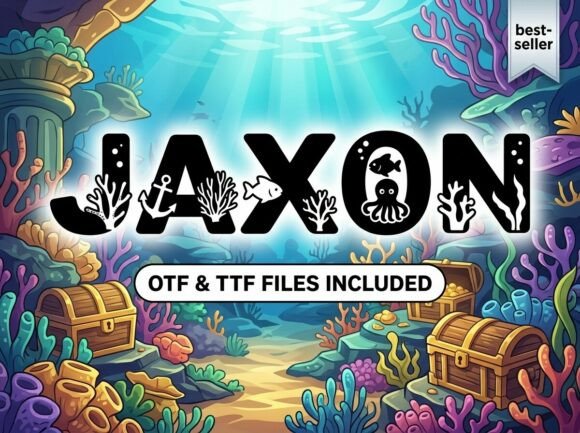
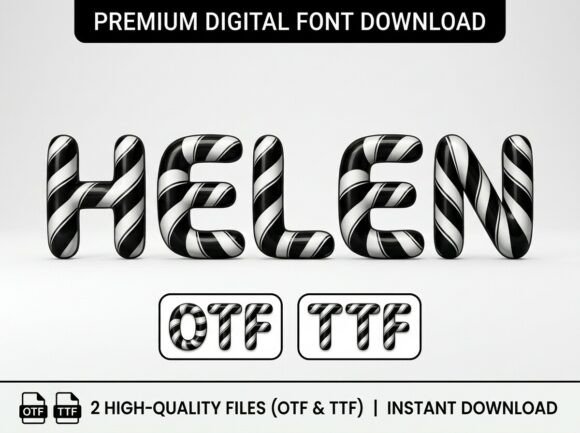
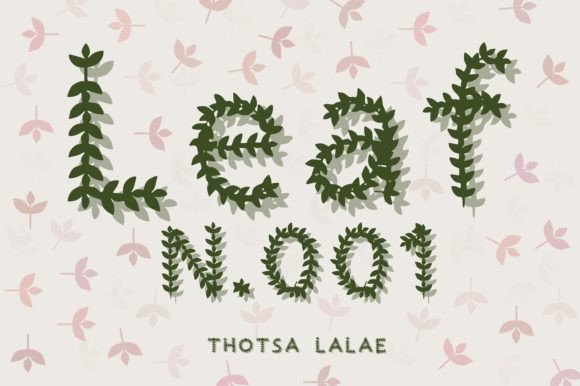
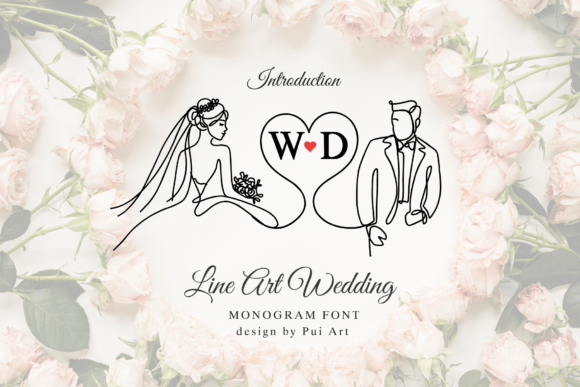
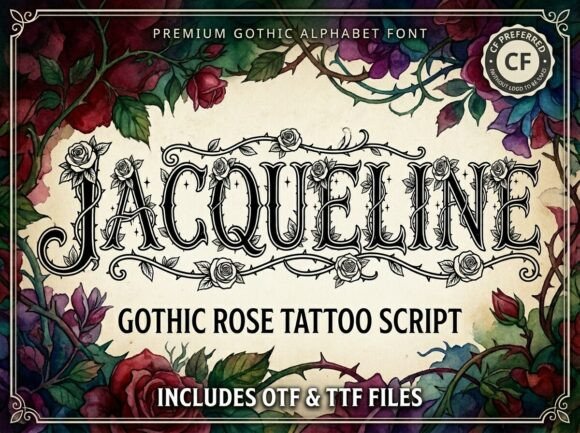
Jacqueline is not merely a set of letters; it is a design tool built for impact. Featuring unique artistic elements and a strong visual personality, it is crafted for creators who need to break away from the ordinary. Whether you are designing a headline that stops a viewer from scrolling, crafting a logo that becomes instantly memorable, or developing packaging that stands out on a crowded shelf, Jacqueline provides the visual flair and professional polish necessary to achieve those goals.
Understanding the Role of a Display Typeface
Before integrating a font like Jacqueline into a project, it is helpful to understand the specific role of a display typeface. Unlike body copy fonts (such as Garamond or Helvetica) which are optimized for legibility in long paragraphs, display fonts are designed for large sizes. They are the visual equivalent of a headline or a title screen.
The challenge many designers face is the "sea of sameness." When every brand uses the same sans-serif or serif fonts for their logos and headers, nothing stands out. The goal for many modern creators is distinctiveness. You need a typeface that conveys energy, elegance, or edge without compromising the professional quality of the deliverable. Jacqueline addresses this need by offering a polished aesthetic that feels curated and artistic, rather than generic.
Key Characteristics and Practical Application
The most defining characteristic of the Jacqueline font is its format: it is an ALL-CAPS Uppercase Only display typeface. It does not include lowercase letters. This is a crucial technical detail that dictates how you should approach your design strategy.
Because every letter in Jacqueline is designed as a work of art, it is specifically intended for high-impact scenarios. The uniform height of the uppercase characters creates a sense of stability and authority. Here is how you can practically apply Jacqueline in your projects:
- Artistic Logos: A logo is the face of a brand. Using Jacqueline allows you to create a wordmark that feels bespoke. The unique stylistic elements of the font ensure that the brand name is not just read, but felt.
- Bold Headlines: In web design or print media, the headline does 80% of the work in grabbing attention. Jacqueline excels here, turning a simple title into a visual feature.
- Creative Packaging: For products sitting on a shelf, typography is often the first thing a customer notices. The decorative nature of Jacqueline helps products look premium and distinct.
Addressing Common Design Challenges
One of the common hurdles in creative work is finding a balance between creativity and professionalism. Many decorative fonts can look "messy" or "amateurish" if not designed with precision. Jacqueline solves this by maintaining a polished finish. While it is artistic and expressive, the letterforms are structured enough to remain legible and professional.
Another challenge is versatility. A font that is too "themed" (e.g., looking like a Halloween font or a Christmas font) has limited use. Jacqueline, however, offers a versatile visual personality. Depending on the color palette and surrounding design elements, it can feel luxurious, modern, retro, or avant-garde. This versatility makes it a valuable asset in a designer’s toolkit, as it can be repurposed across different campaigns and seasons.
Technical Considerations for Implementation
When you decide to use Jacqueline, you will receive the necessary files to ensure it works across your preferred software and devices. Understanding these file types helps you implement the font correctly:
- OTF (OpenType Font): This is the professional standard. If you are using advanced design software like Adobe Illustrator, Photoshop, or InDesign, the OTF file is your best choice. It often contains more refined data for layout and design precision.
- TTF (TrueType Font): This file offers universal compatibility. If you are working on a Windows PC, using the font in Microsoft Word, or need to ensure it renders correctly on standard operating systems, the TTF file is the reliable solution.
Tailoring the Font to Your Audience
Different users will approach Jacqueline with different needs. A graphic designer working on a branding project will likely pair Jacqueline with a very simple, neutral body font. Because Jacqueline is a "loud" font, it needs a quiet partner. A common recommendation is to pair a decorative display font like this with a clean sans-serif for the sub-headers and body text to maintain readability.
A small business owner creating their own marketing materials might use Jacqueline for social media graphics. On platforms like Instagram or Pinterest, where visual noise is high, the strong personality of Jacqueline helps stop the scroll. It turns a simple announcement into an event.
For event planners or those creating invitations, the "all-caps" nature of Jacqueline lends itself perfectly to formal or artistic invitations. It creates a sense of importance and grandeur, ideal for weddings, galas, or gallery openings.
Recommendations for Best Results
To get the most out of this typeface, consider the following implementation tips:
- Size Matters: Because it is a display font, Jacqueline is designed to be seen at larger sizes. Avoid using it for 10pt text or lengthy descriptions. Let it breathe by using it for titles and short phrases.
- Spacing and Kerning: Decorative fonts often benefit from adjusted letter spacing (tracking). Depending on the specific layout, you may want to slightly increase the space between letters to let the artistic details of each character shine without cluttering the design.
- Color and Contrast: Use high-contrast colors to make the font pop. A dark Jacqueline font on a light background (or vice versa) will highlight the unique contours and artistic elements of the typeface.
Conclusion
Jacqueline is more than just a font; it is a strategic design asset for anyone looking to elevate their visual communication. It solves the problem of blending in by offering a bold, artistic, and polished aesthetic. By understanding its nature as an all-caps display typeface and applying it to the right contexts—logos, headers, and packaging—you can transform ordinary text into a powerful visual statement. Whether you are a seasoned designer or a business owner refining your brand identity, Jacqueline provides the tools to make your message not just seen, but remembered.