Helen Font: A Practical Guide to Its All-Caps Display Style
Understanding Helen's Core Design Philosophy
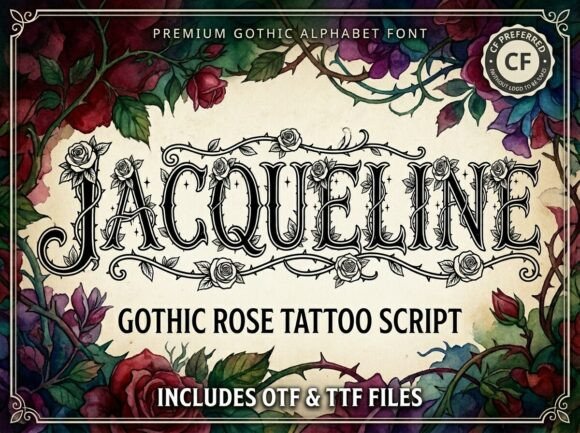
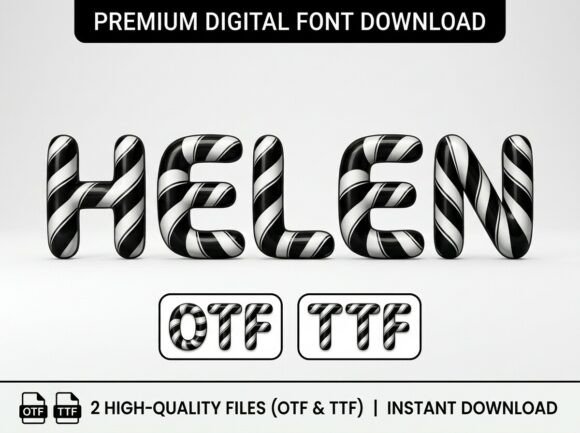
Helen is a decorative display typeface that prioritizes visual impact over conventional readability. Its design centers on artistic expression, with each uppercase letter crafted to function as a standalone visual element. This makes it fundamentally different from text fonts meant for body copy. The font's personality is strong and distinctive, featuring unique details in its letterforms that give it a memorable, almost sculptural quality.
It is important to note a critical characteristic of Helen: it is an all-caps typeface. It does not include lowercase letters. This is not a limitation but a deliberate design choice. It is engineered for specific, high-impact scenarios where every character needs to command attention, such as in a headline, a logo mark, or a decorative monogram. Understanding this core trait is the first step in evaluating whether Helen fits a project's needs.
Key Strengths and Ideal Applications
When used in the right context, Helen offers several distinct advantages. Its primary strength lies in its ability to create immediate visual hierarchy and artistic flair.
- Bold Headlines and Titles: For magazine covers, event posters, or website hero sections, Helen can set a powerful tone. Its decorative nature ensures the headline is not just read but noticed.
- Artistic Logos and Branding: For brands in creative industries—fashion, boutique hospitality, artisanal goods—Helen can form the basis of a logo that feels bespoke and expressive. It helps a brand stand out from more utilitarian sans-serifs.
- Creative Packaging and Labels: On product packaging, especially for limited editions or special releases, Helen adds a layer of perceived craftsmanship and attention to detail.
- Decorative Initials and Monograms: Its detailed letterforms make it excellent for creating large, ornate initial caps in editorial design or for personalized stationery.
The font comes in industry-standard OTF and TTF formats, ensuring compatibility with professional design software like Adobe Illustrator and InDesign, as well as broader system use. This makes it a practical asset for designers working across various platforms.
Evaluating Tradeoffs and Limitations
No typeface is universally perfect, and Helen's strengths are directly tied to its tradeoffs. The most significant is its all-caps nature. This immediately disqualifies it from any project requiring lowercase text, such as body paragraphs, long-form articles, or detailed product descriptions. Using it for extended text would severely impair readability.
Furthermore, its high level of decoration can be a double-edged sword. While it excels at grabbing attention, it may compete with other visual elements in a complex layout. In a design already rich with imagery or intricate graphics, a highly decorative font like Helen can create visual clutter rather than clarity. Its effectiveness diminishes if overused or placed in a context where subtlety is more valuable than impact.
When comparing Helen to other font categories, the distinctions become clear. A clean geometric sans-serif like Helvetica or Futura offers superior versatility and readability for both headlines and body text but lacks Helen's distinctive artistic voice. A traditional serif like Garamond conveys classic elegance and is optimized for long-form reading, a task for which Helen is entirely unsuited. Even among other display fonts, Helen occupies a specific niche; it is more artistically detailed than a bold condensed sans-serif but may be less versatile than a display font with a full character set including lowercase.
When to Choose Helen and When to Look Elsewhere
Making the decision to use Helen should be based on a clear assessment of project requirements. It is a strong candidate when the primary goal is visual distinction and artistic expression in a limited text context. Consider it if your project involves:
- A hero headline where the words themselves are a key visual element.
- A logo or brand mark that needs to feel unique and handcrafted.
- A single-word or short-phrase emphasis in a larger design, like a book title or event name.
- Projects where the audience expects creativity and boldness, such as in music, art, or fashion.
Conversely, you should explore other options if your project involves:
- Any amount of running text or body copy.
- Content that requires maximum accessibility and fast readability, like informational signage or user interfaces.
- A design system that demands extreme versatility from a single typeface family.
- Projects with a strictly minimalist or corporate-professional aesthetic where decoration is seen as a distraction.
Practical Decision Factors for Designers and Creators
Before integrating Helen into a workflow, consider these practical questions:
- Is all-caps acceptable? Does the design brief or brand guidelines allow for, or even encourage, an all-caps typographic treatment? If lowercase is mandatory, Helen cannot be used.
- What is the primary medium? Helen's details render beautifully in high-resolution print or large digital screens. On very small screens or low-resolution prints, its finer decorative elements may become muddy or lost.
- How does it pair with other fonts? Helen will almost always need a companion font for supporting text. A clean, neutral sans-serif or a classic serif often works best, providing a calm backdrop that lets Helen's display type shine without competing. Testing these pairings is crucial.
- What is the tone of the project? Helen conveys a specific, artistic personality. Ensure this aligns with the message and audience. It might feel out of place in a financial report but perfect for a gallery exhibition poster.
Ultimately, Helen is a specialized tool. It is not a workhorse font for everyday design tasks. Its value lies in its ability to inject a specific kind of artistic, high-impact energy into a project. By recognizing its design intent—being a stunning, all-caps decorative display face—you can deploy it effectively where it belongs, and confidently choose a different, more versatile typeface when the project demands broader functionality and readability. The key is matching the font's inherent character to the specific communicative goal of your design.